Creating a Culture of Autism Safety: Preventing Exploitation Through Education and Advocacy
In my previous article, I examined how societal attitudes and treatment of autistic individuals can put them at risk of exploitation. The root of the issue isn't autism itself, but rather how our society perceives, supports, and includes autistic individuals. Specifically, I discussed how certain expectations and practices can increase autistic individuals' vulnerability to victimization and abuse. These include prioritizing people-pleasing over comfort and safety, ignoring autistic individuals' needs, encouraging masking of autistic traits, emphasizing compliance over autonomy, holding autistic individuals to unrealistically high standards, and victim-blaming and gaslighting.
Societal attitudes and practices that prioritize conformity over acceptance and understanding can lead to the exploitation of autistic individuals. Forcing autistic individuals to hide their autism, prioritize people-pleasing, and comply with unrealistic expectations puts them at risk of physical and emotional harm. Furthermore, victim-blaming and gaslighting can worsen their trauma and vulnerability. These unrealistic expectations can have severe consequences, including burnout, health issues, and toxic stress. Moreover, they make autistic individuals more susceptible to manipulation and abuse. To prevent exploitation, we must shift our focus towards accepting, understanding, and empowering autistic individuals, while also recognizing and challenging the harmful practices that perpetuate exploitation.
The risk of exploitation that autistic individuals face is often not due to their autism itself, but rather societal attitudes and expectations. Unfortunately, society frequently fails to understand and accept autism, leading to a lack of inclusivity and a pressure on autistic individuals to "mask" their autistic traits. This masking can have severe consequences, including burnout, health issues, and toxic stress.
Moreover, the pressure to conform to societal expectations can make autistic individuals more vulnerable to manipulation and abuse. They are often conditioned to prioritize societal expectations over their own needs and instincts, suppressing their natural judgment and leading to people-pleasing behavior. This can have devastating consequences.
Furthermore, the emphasis on compliance over autonomy can also contribute to this vulnerability. When autistic individuals are taught to prioritize compliance, they may struggle to develop self-advocacy skills, assert their own needs, and set healthy boundaries. This can make them more susceptible to exploitation.
The normalization of harsh discipline and punishment—often framed as “tough love”—can place autistic individuals at greater risk of exploitation. So-called “tough love” frequently disguises harm as care, blurring the line between authority and abuse. When punishment, coercion, and control are normalized in childhood, exploitative behaviors later in life can be difficult to recognize—especially when they mirror the discipline autistic individuals were conditioned to tolerate and mistaken for “normal.”
To prevent this, it's essential to prioritize authenticity, empowerment, and autonomy, allowing autistic individuals to embrace their true selves without fear of judgment or rejection. By promoting self-acceptance, self-advocacy, and healthy boundaries, we can help reduce the risk of exploitation and support the well-being and safety of autistic individuals.
The risk of exploitation that autistic individuals face is often not due to their autism itself, but rather societal attitudes and expectations. Unfortunately, society frequently fails to understand and accept autism, leading to a lack of inclusivity and pressure on autistic individuals to "mask" their autistic traits. This masking can have severe consequences, including burnout, health issues, and toxic stress.
Moreover, the pressure to conform to societal expectations can make autistic individuals more vulnerable to manipulation and abuse. They are often conditioned to prioritize societal expectations over their own needs and instincts, suppressing their natural judgment and leading to people-pleasing behavior. This can have devastating consequences.
Furthermore, the emphasis on compliance over autonomy can also contribute to this vulnerability. When autistic individuals are taught to prioritize compliance, they may struggle to develop self-advocacy skills, assert their own needs, and set healthy boundaries. This can make them more susceptible to exploitation.
The normalization of harsh discipline and punishment sometimes known as “tough love” can also put autistic individuals at risk of exploitation. Such discipline can make it difficult for them to recognize exploitation, as the tactics used may be similar to those used in childhood discipline. So-called “tough love” often disguises harm as care. For autistic individuals, the normalization of harsh discipline can blur the line between authority and abuse, making exploitative behaviors harder to identify when they resemble the punishment and coercion experienced in childhood.To prevent this, it's essential to prioritize authenticity, empowerment, and autonomy, allowing autistic individuals to embrace their true selves without fear of judgment or rejection. By promoting self-acceptance, self-advocacy, and healthy boundaries, we can help reduce the risk of exploitation and support the well-being and safety of autistic individuals.
Allowing autistic individuals to be their authentic selves is crucial in preventing exploitation and manipulation. While masking may provide short-term benefits from blending in, embracing authenticity is key to long-term safety, well-being, and resilience. Allowing autistic individuals to be their authentic selves, rather than masking, is a powerful safeguard against manipulation and abuse. By listening to their body and intuition, they develop essential skills: informed decision-making, sound judgment, and healthy boundary-setting. This enables them to prioritize their own needs, resist peer pressure, and avoid hiding discomfort to please others. When authentic, they focus on self-awareness, recognizing potential threats, and navigating their surroundings safely. A personal experience illustrates this: during a soccer game, a boy persistently asked me on a date despite knowing I had a boyfriend. I expressed my discomfort and clearly said, "I'm not interested, let's focus on the game." His persistence led to my visible discomfort, which prompted my friend's mom to intervene. The coach reprimanded him, saying, "Quit asking her out, everyone's here to play soccer." By embracing authenticity, I was able to communicate my boundaries clearly, leading to a safer and more respectful environment. This experience highlights the importance of autistic individuals being themselves, without masking, to recognize and mitigate potential dangers, empowering them to act in their best interests and stay safe. By embracing authenticity, autistic individuals can redirect energy from conforming to societal norms to recognizing and mitigating potential dangers, empowering them to act in their best interests and stay safe.
Empowering autistic individuals with bodily autonomy is crucial for preventing exploitation and promoting overall well-being. By prioritizing their needs, autistic individuals develop essential skills, including setting healthy boundaries, confidently asserting those boundaries, and making informed decisions. These skills enable autistic individuals to protect themselves from potential exploitation. When given autonomy, individuals learn to prioritize their safety and well-being, making informed decisions that honor their needs, rather than people-pleasing. By knowing and respecting their own needs, autistic individuals cultivate good judgment and self-protection. Bodily autonomy encompasses everyday choices, such as selecting the clothes we wear or the food we eat. It also extends to physical interactions, like deciding whether or not we want to receive a hug or be touched. From a young age, I was taught that having the right to refuse a hug is essential, and that respecting others' boundaries is equally important. In fact, I was praised for refusing a hug when I didn't feel comfortable, which reinforced the value of prioritizing my own bodily autonomy. This lesson was crucial because even a seemingly friendly gesture like a hug can be a precursor to unwanted or predatory behavior. Another way I learned to exercise bodily autonomy was through choosing my own clothes. In elementary school, my mom would lay out a selection of approved outfits on the bed, and I'd pick my clothes for the week with her guidance. As I grew older, I gradually took on more independence in dressing myself. By middle school, I was selecting my outfits on my own the night before, which helped me develop informed decision-making skills and express my personal style.
By having autonomy and decision-making skills, I also develop self-advocacy skills. Since high school, I've learned to advocate for my needs through my Individualized Education Program (IEP). When given accommodations, autistic individuals can better recognize their needs and assert themselves, rather than trying to adapt to a world that often doesn't cater to them. Teaching autistic individuals to adapt without supporting their self-advocacy skills can lead to long-term risks of exploitation. Without these skills, they might struggle to set healthy boundaries, especially if they're accustomed to hiding their discomfort to please others.
I'm not looking to single out a specific type of therapy, as any therapy can potentially be abusive. Therapies like speech, occupational therapy (OT), or Applied Behavior Analysis (ABA) can be beneficial for autistic individuals. However, any therapy - whether it's ABA, speech, or occupational therapy - can become abusive when it incorporates masking or compliance-based tactics that prioritize conformity over individual needs and autonomy. I am not an expert in looking for a specific therapy as everyone is different. As an autistic adult I know the benefits and harm to therapy tactics. I have had and still do talk therapy and see a therapist which is helpful and learn coping strategies. Talk therapy is great for me but it even be abusive. It is not because it is talk therapy, it is because a talk therapist can talk them into how their authentic self is wrong. ABA can be good for independence or redirecting harmful behavior, but it can be abusive when they are being taught they need to mask. Even without punishment it is a problem when they are taught to mask. Speech therapy is great and helped me learn to talk. Even speech can be abusive. For example, an autistic person is being taught to favor mouth words over their AAC device. Communication or learning communication is not ableist. Expecting mouth words or teaching them to favor mouth words over alternate forms of communication such as AAC.
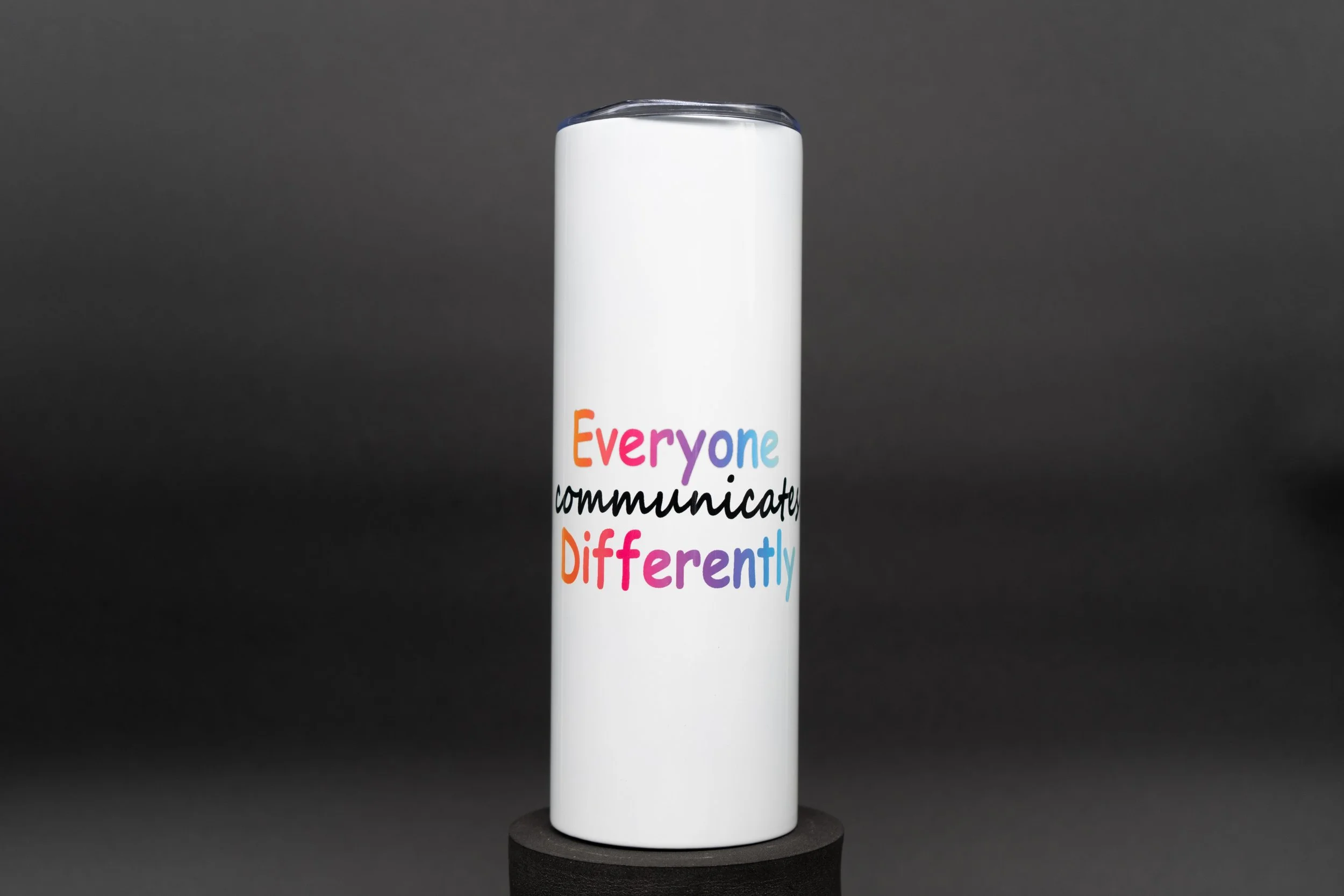
This tumbler highlights an essential message: Everyone communicates differently.
Schools can empower autistic children to protect themselves from exploitation by prioritizing their needs and teaching self-advocacy. However, approaches like "whole body listening" can be counterproductive, as they often require autistic children to mask and disregard their own needs. In my experience, being told to "get used to" sensory issues, such as loud noises, rather than being offered accommodations like noise-cancelling headphones or a quieter space, put me at risk. For instance, I nearly got hit by a car because I was trying to tolerate overwhelming sensory input.
Teaching autistic children to ignore their needs and push through can lead to difficulty setting healthy boundaries and prioritizing their own well-being. Many autistic students are vulnerable to exploitation when educators fail to follow their Individualized Education Programs (IEPs) and don't educate them about their rights. In 8th grade, I had to advocate for myself when a teacher refused to follow my IEP accommodation, which allowed me to leave class 10 minutes early to carpool with a fellow student who was also disabled. This carpool was my only way home, as I was ineligible for the regular bus due to distance and the ESE bus required a parent to be present at home, which my mom couldn't be until after I arrived. Due to a staffing shortage, I was assigned to this teacher's class, and when she wouldn't let me leave early as specified in my IEP, I tried to text my mom. The teacher took away my phone, which left me stranded. Fortunately, I knew my rights and IEP details which empowered me to speak up for myself in this situation. To my relief, the resource room later reprimanded the teacher, clarifying that even substitute teachers are required to follow students' IEP accommodations. This experience highlighted the importance of self-advocacy and understanding one's rights.
In a separate incident, during cheerleading, I was forced to base a teammate who was also autistic and didn't want to be a flyer. Despite expressing her concerns, the coach didn't accommodate her needs, leading to a situation where she got so scared that she jumped, and I got hit in the face. My teammate asked her coach if she could try being a base, and the coach said no. Even when she asked politely and respectfully, the coach firmly denied her request. One day, feeling uncomfortable as a flyer, she expressed her frustration about not wanting to be a flyer anymore and wanting to be a base instead. Her mother scolded her for reacting emotionally, considering it poor sportsmanship, and made her leave cheer practice early. This also upset her neurotypical sister, who didn't want to leave because she was having fun with the other siblings. Instead of being a team player, the girl felt so uncomfortable that she jumped, which resulted in me getting hit in the face. This incident could have been prevented if the coach had respected her needs and boundaries. By prioritizing autistic children's needs and teaching them to advocate for themselves, we can empower them to set healthy boundaries and protect themselves from exploitation.
Autism does not end in childhood, it continues into adulthood therefore they will still need accommodation, and it is important for them to know their rights. While there are not IEPs past high school, accommodation and the ADA last to adulthood and the workforce. Employers are required to provide accommodation for disabilities unless the accommodation provides undue hardship. Here's the catch; the employer has to prove that the accommodation provides undue hardship and sometimes proving the undue hardship is more expensive and difficult than providing the accommodation. Employers are not legally allowed to ask if a potential employee has a disability. Employees are not required to disclose their disability unless they're asking for accommodation. Since it is illegal to not hire somebody because they have a disability employers may say they picked another candidate. This is why it is good to disclose the disability after they get hired and then request the commendations in writing because it is illegal to fire somebody because they have a disability or ask for accommodations because if they get fired there is a paper trail and they can show proof that they asked for accommodations on how their disability and that is proof that they got fired because of their disability.
Since childhood, many autistic people are taught to socialize and interact with others, often under pressure to be more outgoing and increase their social tolerance. However, it's crucial for autistic individuals to understand their own limits—and just as importantly, for others to respect those limits. Saying "no" to social interaction should be acceptable, and choosing rest over engagement should be supported.
I’ve personally experienced the consequences of this pressure. At one job, despite repeatedly requesting alternate roles, I was kept in a customer service position I never signed up for. I expressed multiple times that I couldn’t handle that level of constant social interaction, but my concerns were ignored. Eventually, I was disciplined for reaching my limit—an entirely preventable situation if my needs had been taken seriously.
Forcing autistic people to be more social or pushing them past their boundaries doesn’t just lead to burnout and emotional distress—it can also leave us more vulnerable to exploitation. I can’t count how many times I’ve been forced into social situations I didn’t want to be in.
To illustrate this, here is a brief chronological case study from my own experience.
Chronological Case Study: Experiences of Boundary Violations and Social Pressure
Childhood (6th Grade)
In 6th grade, I was repeatedly forced to accommodate a pushy classmate every day at the last minute. This classmate was not disabled but took advantage of the pressure I felt to be social and agreeable.
One major incident involved the classmate pretending to be me to text my babysitter, asking for food and candy—without my knowledge or consent. She exploited my vulnerability and the social pressure placed on me.
Consequences: Phone theft, coercion, emotional stress, and loss of personal autonomy.
High School (10th Grade)
After a shopping trip, I was completely exhausted. Despite clearly and repeatedly saying I was too tired for company, my ex-friend's mother pressured me to let her daughter come over. Even after I said no multiple times, she ignored my boundaries and brought her daughter over anyway.
During the visit, my ex-friend left a huge mess that I had to clean up myself. She also took my collection of gems without permission and glued them to a piece of paper, costing me $20 to replace.
Consequences: Financial loss, emotional stress, and reinforcement of a harmful pattern where my autistic boundaries were ignored.
High School (Animal Shelter Incident)
While at the animal shelter with my dad—who was looking for a dog—I was suddenly forced, despite clearly refusing, to visit my ex-friend at her house. I had said no multiple times, and my mom had specifically told my dad, “Don’t bring her to their house.” But my boundaries—and hers—were ignored.
Once there, I was compelled to babysit my ex-friend while her mother watched TV. This violated my personal boundaries and disrupted plans I had with my dad.
Consequences: Exploitation, loss of personal time, and emotional stress from forced social interaction and last-minute changes.
Adulthood
While recovering from a personal crisis, a non-disabled man repeatedly called me while I was riding my scooter, demanding I come hang out at his house last minute—even though I had other plans. I said clearly, "No, I’m busy," and reminded him I was on a moving vehicle.
He ignored my boundaries, broke through my Do Not Disturb, and his persistence caused me to crash my scooter before going to the gym. Despite my complaints, I was still pressured to go to his house. The excuses for his behavior were, “This is how you make new friends” and “You need to be more social.”
Because of this, I missed a ceramics class I had booked in advance. He also regularly made phone calls while driving, putting my safety at risk.
Consequences: Emotional labor, exploitation, safety risk, and loss of control over my time and social interactions.
Summary
Throughout my life, I have repeatedly faced situations where my social boundaries—especially as an autistic person—have been ignored or violated. The pressure to be more social and tolerate increased interaction often leads to emotional distress, exploitation, financial loss, and even physical safety risks. It is essential to respect autistic people’s limits, honor their right to say no, and recognize the harm caused when those boundaries are dismissed.
The way parents raise their autistic children can determine whether they are protected from exploitation or placed at greater risk of it. To foster safety, children must be taught to prioritize their comfort and well-being over people-pleasing, to recognize and honor their needs, and to embrace their authentic selves with autonomy.
Creating a culture of safety for autistic individuals requires more than awareness — it demands action. Exploitation is not an inevitable part of autism but a consequence of social norms that prioritize conformity over acceptance, compliance over autonomy, and politeness over safety.
We can reduce these risks by teaching children from an early age that their boundaries matter, empowering them to advocate for their needs, and ensuring therapies and education value authenticity over masking. Schools and workplaces must be held accountable for honoring accommodations and respecting autistic voices. Parents, caregivers, and allies must also model boundary-respect, encourage autonomy, and prioritize autistic people’s safety over society’s rules.
Through education and advocacy, we can move from cultures of compliance to cultures of empowerment. By valuing authenticity, protecting bodily autonomy, and supporting self-advocacy, we equip autistic people with the tools to resist exploitation and thrive. The path forward is clear: building a society that not only includes autistic people, but also respects and uplifts them as their authentic selves. That is how we create a culture of safety.
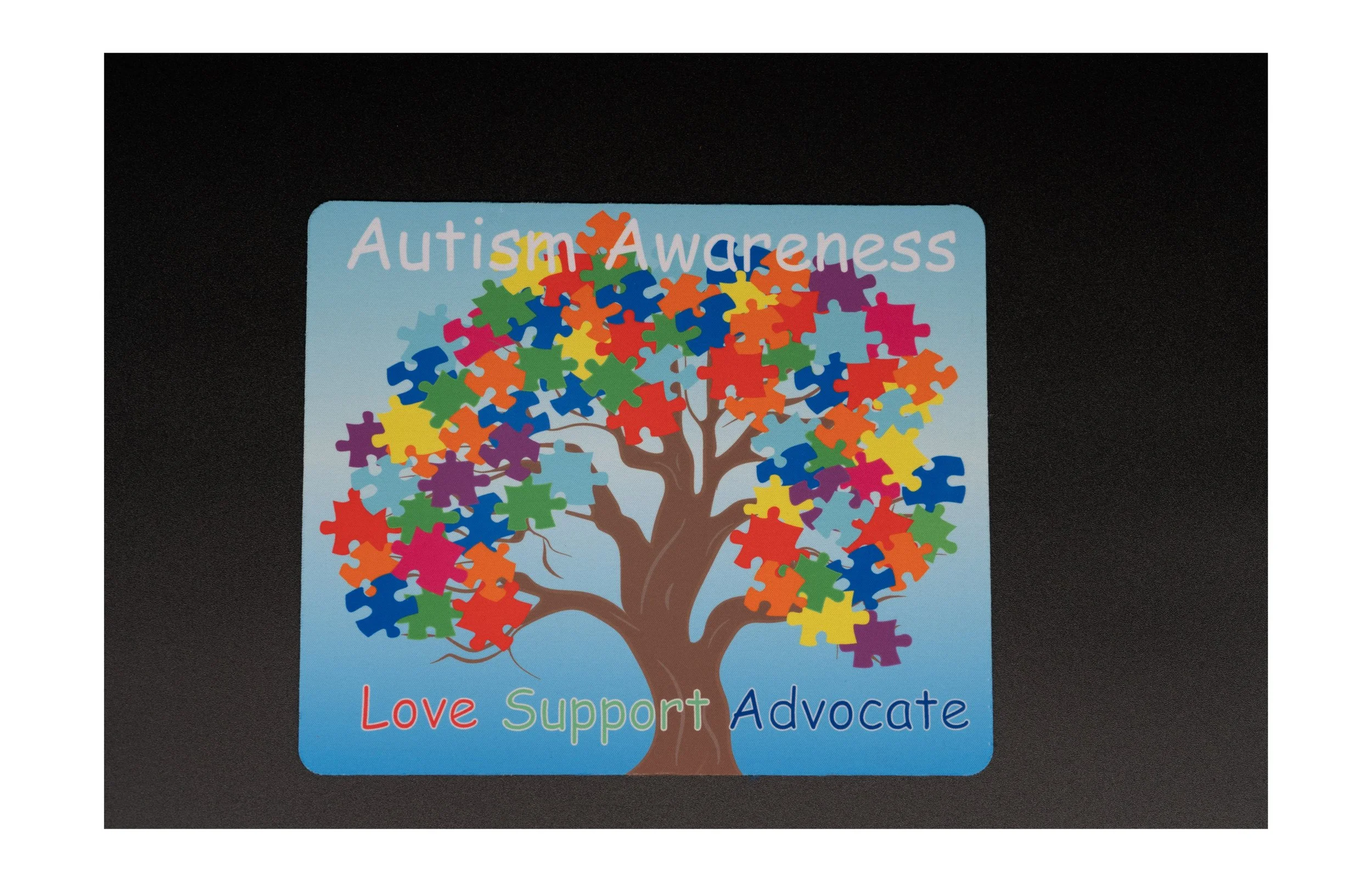
A symbol of growth, understanding, and autism safety for all
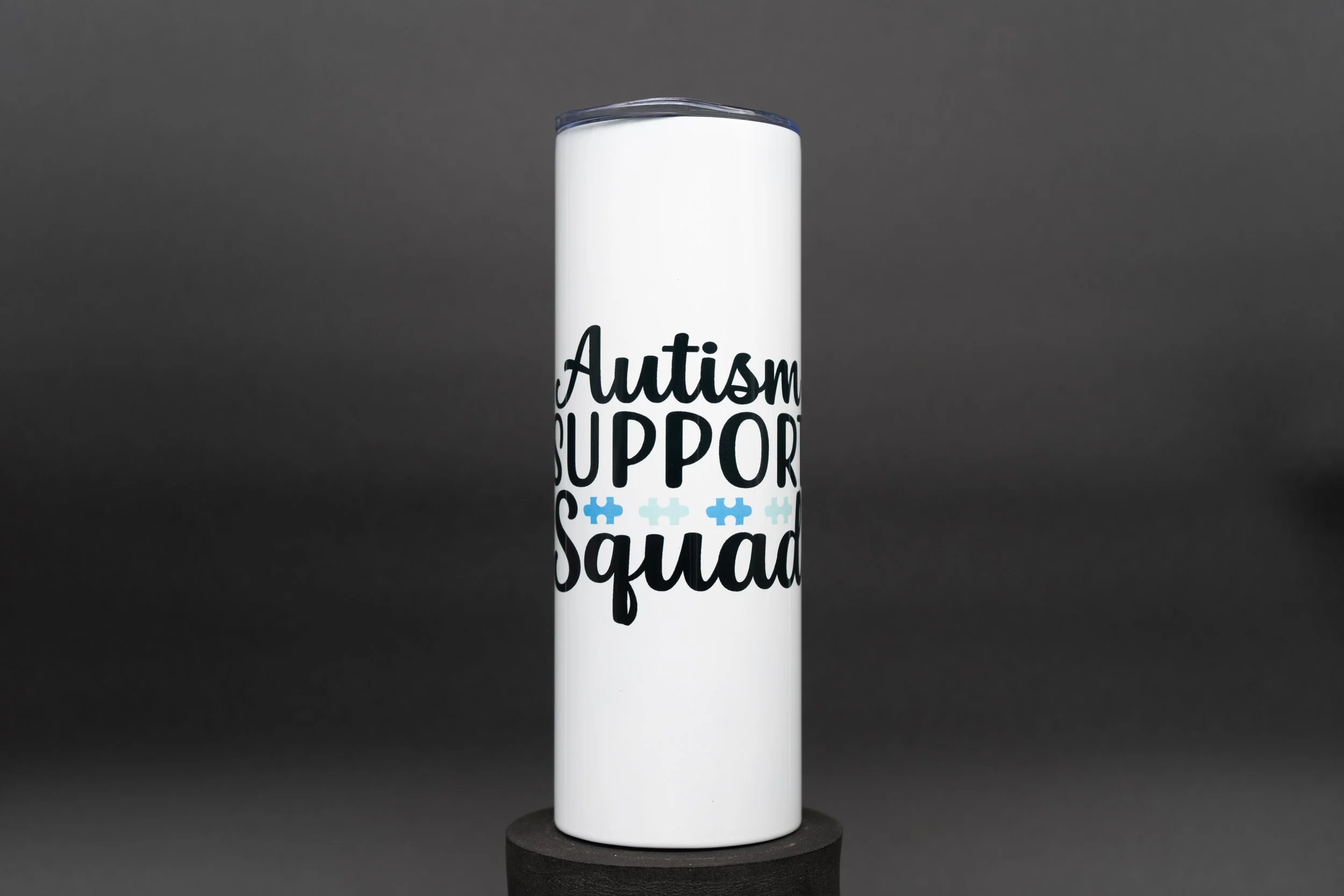
Autism safety can’t come without an autism support squad